softosaur

Prepared from documented information
On November 6, 2026, GitHub announced general availability for @GitHub in Slack and Teams. Its release note also describes clearer attribution to the person who started a request.
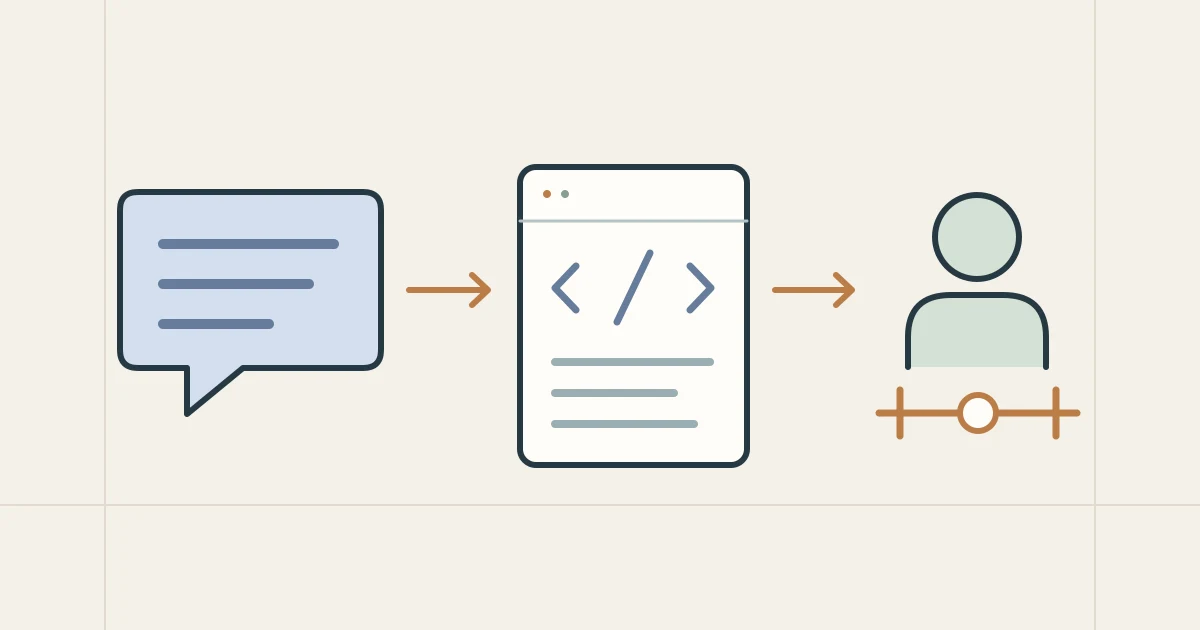
For a team evaluating this kind of integration, the interesting change is where a development request becomes reviewable work. Starting in a conversation can make the request easier to discuss. The resulting proposal still needs enough context for somebody else to judge it.
This article interprets GitHub’s published information. It does not report a hands-on test of either integration.
Which part of the handoff changes?
GitHub’s Teams page describes Canvas as a place to view the plan, changes and pull request beside the conversation. That can bring the proposed work closer to the discussion that explains it; it does not establish that the proposal meets the team’s requirements.
Feature scope also needs care. The Slack page separately labels linking threads to issues as a limited rollout. The overall availability announcement should not be read as proof that every named feature is available in every workspace.
Make the request reviewable
Consider an illustrative example: a product manager reports that a dashboard’s date filter resets after a page reload. This is a hypothetical request, not a customer case or a test we performed.
The initial message identifies a symptom. A reviewable request also explains the expected behavior: which filter should persist, on which page, and under what circumstances. Without that agreement, a plausible code change could solve a different problem. Putting the request into a new interface does not resolve that ambiguity.
GitHub’s Slack documentation says the whole thread becomes context stored in generated artifacts. For the dashboard example, a focused discussion makes it easier to distinguish the agreed requirement from suggestions the team has set aside.
| Handoff | Evidence worth carrying forward |
|---|---|
| Discussion to proposal | The problem to solve, repository and acceptance conditions. |
| Proposal to review | The changed files, the reasoning and the checks that were actually performed. |
| Review to release | A named decision maker and the team’s usual release conditions. |
This is an editorial evaluation model, not a description of every field in GitHub’s interface. Its purpose is to reveal what the next person needs, even when the original conversation is no longer in front of them.
Participation is different from approval
The Teams documentation says repository permissions and existing approval rules still determine who can authorize and merge changes. Being able to follow a conversation therefore should not be confused with authority to accept its result.
For the team, it helps to make that decision explicit in the handoff. Who judges whether the requested behavior is correct? Who resolves a change in scope? Where will the eventual reviewer see the relevant explanation? These are questions about responsibility, rather than a claim that a new chat surface replaces review.
Evaluate the work left for the next person
A useful pilot would follow one representative request through the whole handoff. The result should be understandable to a reviewer who did not watch the conversation unfold. Missing acceptance conditions, unclear ownership or repeated explanations identify work that the integration has not removed from that process.
That evidence is more informative than counting how many requests a bot can start. When comparing software for team work, include the quality of the handoff alongside the convenience of starting a task. A request that begins quickly is valuable when the next person can make a sound decision about it.